10 јуни 2026
How to Choose the Best Products from the Sleeping Industry: Pillows, Mattresses, Bedding and Duvets
The global bedding market is growing rapidly. According to Grand View Research, the home bedding market alone was valued at nearly $127 billion in 2024 and is expected to surpass $277 billion by 2033, driven by increasing consumer demand for comfort, health, sustainability, and premium sleep experiences. For retailers, wholesalers, and private-label brands, this growth creates opportunity. But it also makes product selection more challenging.
Consumers today are no longer buying a pillow or duvet simply because they need one. They are looking for better sleep, healthier materials, sustainability credentials, and products that fit their lifestyle. Choosing the right sleeping products does not revolve aboud price only. It is about understanding your market, selecting the right materials, and building a product portfolio that customers trust.
Here's what every buyer should consider when sourcing pillows, mattresses, bedding, and duvets.
Start With Your Market, Not the Product
One of the most common sourcing mistakes is selecting products based on personal preferences instead of customer demand. Before discussing fillings, fabrics, or certifications, start by understanding who will buy the product.
A discount retailer targeting families will require a different product range than a luxury hotel supplier. An e-commerce brand selling directly to consumers may focus on sustainability and aesthetics, while a wholesaler serving healthcare facilities will prioritize durability and compliance.
Consider factors such as:
- Target price point
- Customer demographics
- Climate and geography
- Sleeping habits
- Distribution channel
- Brand positioning
The most successful bedding brands don't sell the "best" products. They sell the most relevant products for their customers.
Comfort Comes Next
Comfort remains the number one purchase driver across the sleeping industry. The challenge is that comfort means different things to different people. Some customers prefer soft and plush pillows. Others need firm support for neck alignment. Some mattress buyers want pressure relief, while others prioritize responsiveness and cooling properties.
When sourcing sleep products, it is important to offer a balanced portfolio rather than a one-size-fits-all solution. For mattresses, key factors include:
- Firmness level
- Support core construction
- Pressure distribution
- Breathability
- Motion isolation
For pillows and duvets, buyers should evaluate:
- Loft height
- Softness
- Temperature regulation
- Weight
- Recovery after compression
Testing products before committing to large volumes can help avoid costly mistakes and customer complaints later.
The Filling Matters More Than Most Buyers Realise
The filling is often the most important component of a sleep product because it directly affects comfort, durability, and performance.
Pillows and Duvets
Common filling options include:
- Polyester Fibre - The most economical solution. Lightweight, easy to maintain, and suitable for mass-market products.
- Microfibre - Offers a softer, premium feel while remaining affordable.
- Feather and Down - Known for luxury, softness, and insulation. Commonly used in premium hospitality and high-end retail collections.
- Wool - Naturally breathable, moisture-wicking, and temperature regulating.
- Alternative Sustainable Fibres - Bamboo, recycled polyester, TENCEL™, and other eco-friendly materials continue gaining popularity among environmentally conscious consumers.
Mattresses
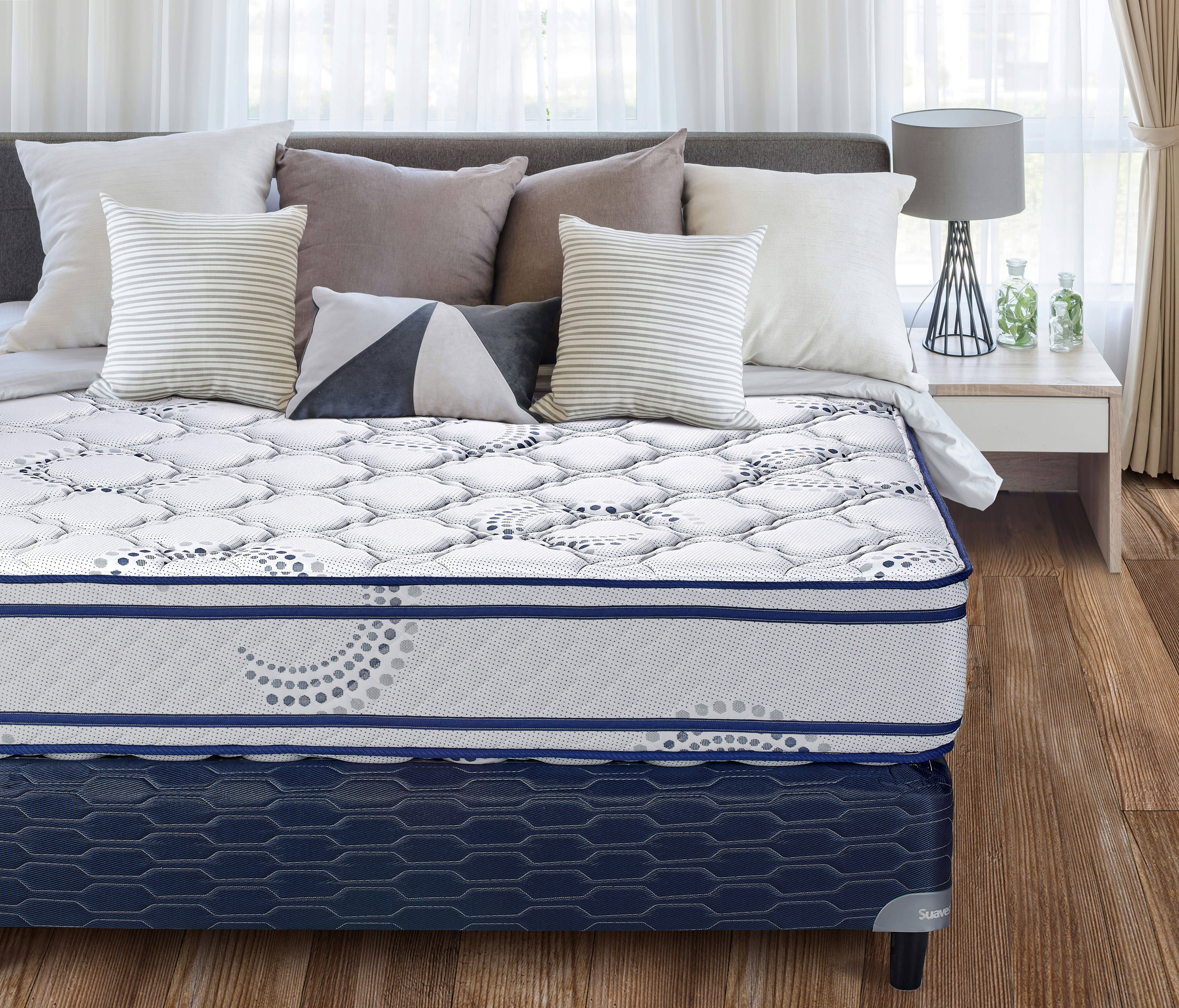
Mattress fillings and support systems significantly impact performance. Popular options include:
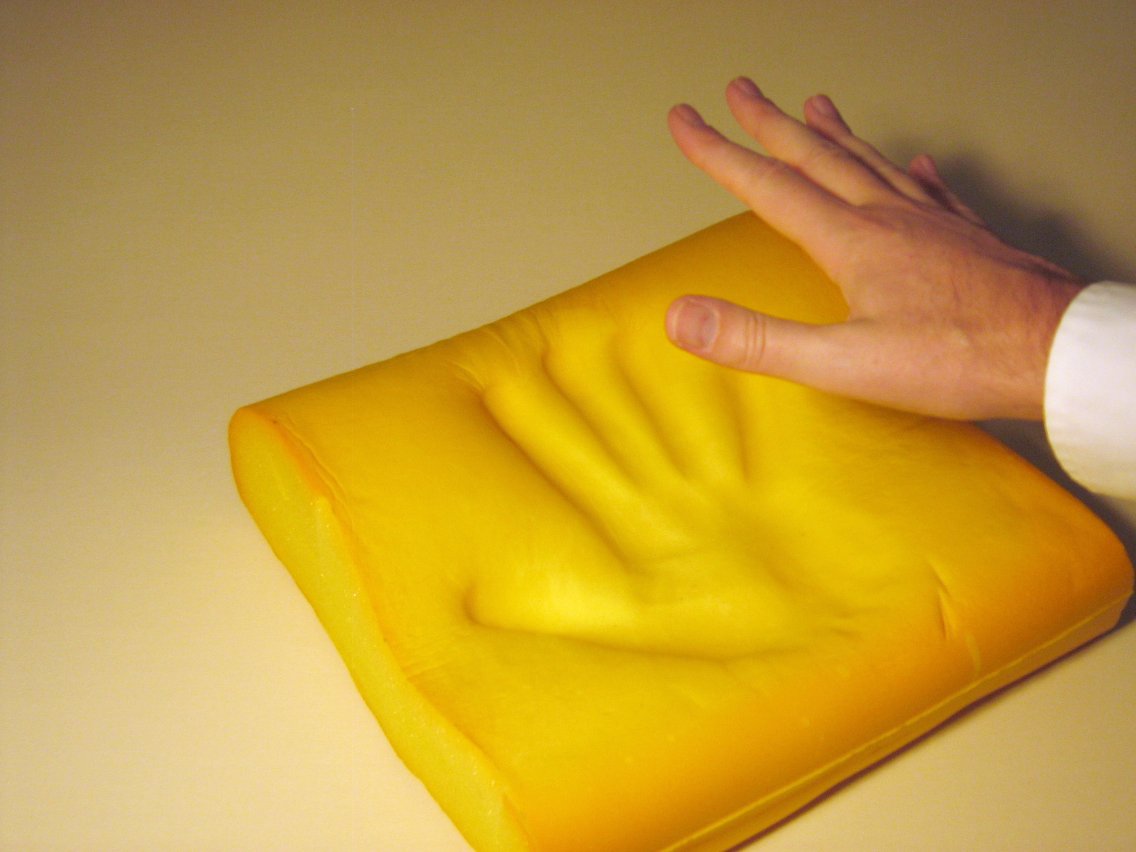
- Memory foam
- High-resilience foam
- Pocket springs
- Bonnell springs
- Latex
- Hybrid constructions
Each material offers different benefits related to support, pressure relief, durability, and temperature management. The best choice depends on the target market and intended price segment.
Fabric and Covers Shape the Customer Experience
Consumers interact with the cover before they experience the filling. This makes fabric selection a critical purchasing factor.
The global bed linen market is expected to grow from approximately $41 billion to over $71 billion by 2030, highlighting increasing consumer attention toward textile quality and bedroom aesthetics, according to Grand View Research.
Popular fabric choices include:
- Cotton - Still the industry benchmark due to softness, breathability, and durability.
- Organic Cotton - Increasingly popular among sustainability-focused consumers.
- Microfibre - Affordable, wrinkle-resistant, and easy to maintain.
- TENCEL™ and Lyocell - Known for moisture management and silky softness.
- Bamboo Blends - Growing in popularity due to perceived sustainability and cooling properties.
For mattress covers, knitted fabrics often provide enhanced comfort and elasticity, while woven fabrics offer durability and structure. The cover is not simply packaging. It becomes part of the sleep experience.
Certifications Are No Longer Optional
Consumers are becoming more aware of what comes into contact with their skin every night. As a result, certifications increasingly influence purchasing decisions.
1. OEKO-TEX® STANDARD 100
One of the most recognised textile certifications globally. Products carrying this certification have been tested for more than 1,000 potentially harmful substances and meet strict human safety requirements.
2. GOTS (Global Organic Textile Standard)
The leading certification for organic textile products. GOTS verifies organic fibre content while also covering environmental and social responsibility throughout the supply chain.
3. CertiPUR-US®
Commonly used in foam mattresses and pillows. The certification verifies foam performance, emissions, durability, and restrictions on potentially harmful chemicals.
For buyers selling into European and North American markets, certifications can significantly improve credibility and market acceptance.
Think About Seasonality and Product Versatility
Consumer needs change throughout the year. A duvet that performs perfectly during winter may be unsuitable for summer use. This is why many successful bedding brands offer seasonal collections, including:
- Summer duvets
- Winter duvets
- Four-season duvets
- Cooling pillows
- All-year bedding sets
Versatility can also create additional sales opportunities. For example, dual-season duvets and adjustable pillows appeal to consumers seeking flexibility without purchasing multiple products. Understanding seasonal demand patterns helps optimise inventory and improve customer satisfaction.
Durability and Care Impact Long-Term Value
A beautiful product means little if it loses shape after a few months. Durability should always be evaluated alongside comfort. Key considerations include:
- Washability: Consumers increasingly expect products that can be easily cleaned and maintained.
- Shape Retention: Pillows should recover after compression.
- Filling Stability: Duvets should maintain even filling distribution over time.
- Mattress Longevity: High-quality foams and spring systems should maintain support for years.
Products that perform well over time generate better reviews, stronger customer loyalty, and fewer returns. For retailers and wholesalers, this directly affects profitability.
Sustainability Is Becoming a Competitive Advantage
Sustainability has moved from a niche preference to a mainstream purchasing factor. Today's consumers increasingly want products that are safer, more transparent, and environmentally responsible. This trend affects every category of the sleeping industry. Popular sustainability features include:
- Organic cotton fabrics
- Recycled polyester fillings
- Responsible down sourcing
- Reduced plastic packaging
- Certified production processes
- Traceable supply chains
The goal is not simply to follow trends but to create products that align with evolving customer expectations. Buyers who proactively incorporate sustainable options into their product range are often better positioned for long-term growth.
Choosing the Right Supplier Matters as Much as Choosing the Right Product
Even the best-designed product can fail if the supplier lacks consistency, quality control, or production expertise. When evaluating manufacturers, buyers should look beyond pricing and assess:
- Manufacturing capabilities
- Quality assurance procedures
- Certifications
- Material sourcing transparency
- Production capacity
- Lead times
- Communication standards
A reliable supplier becomes a long-term partner rather than just a vendor.
Choosing the right pillows, mattresses, bedding, and duvets requires more than comparing prices and specifications. Successful buyers understand their market first, select materials carefully, verify certifications, evaluate durability, and consider long-term trends such as sustainability and product versatility.
As consumer expectations continue to rise, the difference between an average product and a successful one often comes down to sourcing decisions made long before the product reaches the shelf.
At Immoricon, we help brands, wholesalers, retailers, and hospitality businesses source high-quality sleeping products from trusted manufacturers across North Macedonia and the wider Balkan region. From mattresses and pillows to bedding and duvets, we connect buyers with reliable suppliers that meet modern quality, compliance, and sustainability requirements.
If you're looking to expand your sleeping products portfolio or optimise your sourcing strategy, our team is ready to help.
Get in touch with us today
Related News

14 септември 2026
How to Prepare for the Autumn Season in the Bedding Industry
Autumn is one of the most important transition periods for the bedding industry. For retailers, wholesalers and bedding brands, however, autumn starts much earlier than the first cold night. At Immoricon, we work closely with manufacturers and buyers across the bedding and textile supply chain. One thing experience teaches quickly is that seasonal sourcing works best when businesses prepare for demand rather than react to it.
Read More...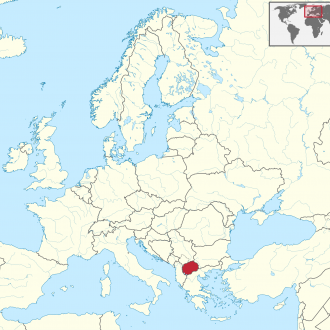
11 мај 2026
Complete Guide to Sourcing Textile Products from North Macedonia
At Immoricon, we have seen firsthand how international buyers are becoming more interested in sourcing bedding and textile products from the Balkans, especially pillows, duvets, mattresses, mattress toppers, and home textile products. So if you are exploring sourcing opportunities in Europe, here is what you should know about North Macedonia and why more buyers are starting to pay attention to it.
Read More...