11 May 2026
Complete Guide to Sourcing Textile Products from North Macedonia
For years, when companies talked about textile sourcing, the conversation almost always started with Asia. Lower costs. Massive production capacity. Established supply chains.
But over the last few years, something changed.
Shipping delays became normal. Freight costs became unpredictable. Communication gaps started creating expensive mistakes. And many European brands realised that chasing the cheapest possible production often came with hidden operational costs nobody talked about in the beginning.
That is why more companies are now looking closer to home. And one country that is quietly becoming more important in European textile sourcing conversations is North Macedonia.
Not because it is the biggest manufacturing market in Europe. But because it offers something many businesses need today: flexibility, speed, accessibility, and reliable textile production without the complexity of sourcing halfway across the world.
At Immoricon, we have seen firsthand how international buyers are becoming more interested in sourcing bedding and textile products from the Balkans, especially pillows, duvets, mattresses, mattress toppers, and home textile products.
So if you are exploring sourcing opportunities in Europe, here is what you should know about North Macedonia and why more buyers are starting to pay attention to it.
A Country with a Long Textile Tradition
Textile manufacturing is not new to North Macedonia. For decades, factories across the country have worked with European brands, producing garments, home textiles, and private-label products for export markets. In many towns, textile production has been part of the local economy for generations.
What makes the country interesting today is how that experience is evolving. Many manufacturers are no longer operating only as low-cost subcontractors. They are becoming more specialised, more flexible, and more capable of working directly with international buyers that need consistent quality and faster production cycles.
This is especially true in the bedding sector. Over the last few years, North Macedonia has developed strong capabilities in products such as:
- Pillows
- Duvets
- Mattresses
- Mattress toppers
- Bedding accessories
- Quilted products
- Home textile products
A lot of these manufacturers already export to markets like Germany, Italy, and Netherlands, which means they are familiar with European quality expectations and production standards. And that matters more than ever.
Why Buyers Are Looking at North Macedonia Now
The biggest shift in global sourcing today is about risk. Companies want supply chains that are easier to manage. Easier to monitor. Easier to communicate with. Easier to adapt when the market changes. That is where North Macedonia becomes attractive.
Imagine needing to wait several months for overseas production while dealing with shipping uncertainty, customs delays, and limited visibility into what is happening inside the factory. Now compare that with working with a supplier that is only a short flight away.
You can visit the factory more easily. Communication becomes faster. Lead times become shorter. Problems get solved quicker. For many European companies, that operational simplicity is becoming far more valuable than squeezing out the absolute lowest production price.
The Advantage of Being in South-East Europe
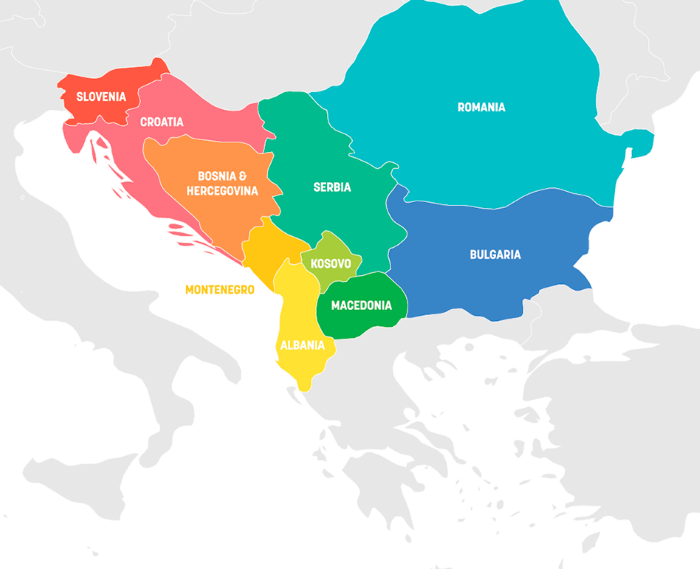
Geography plays a bigger role in sourcing than most people realise. North Macedonia sits in the Balkans, connected to important European transport corridors and relatively close to ports in Greece and Albania.
That location allows products to move much faster into European markets compared to long-distance sourcing routes from Asia. And faster delivery changes everything.
Retailers can react quicker to demand shifts. Brands can reduce inventory pressure. Wholesale buyers can replenish stock more efficiently instead of overordering months in advance.
In industries like bedding and home textiles, where trends, seasons, and customer expectations move quickly, flexibility becomes a competitive advantage.
The Human Side of Manufacturing Still Matters
One thing many buyers underestimate is how much sourcing depends on relationships. Factories are not machines. They are people. And one of the biggest strengths of North Macedonia’s textile industry is the experience of the workforce behind it.
Many factories have teams that have worked in textile manufacturing for decades. Sewing, filling, quilting, stitching, packaging, these are skills developed over years of production experience.
This becomes especially important with bedding products, where consistency matters. A pillow may look simple from the outside, but buyers know the real difference comes from details:
- the stitching quality
- the filling consistency
- the durability
- the finishing
- the packaging presentation
Experienced manufacturers understand that. And because many factories are smaller and more flexible compared to massive industrial facilities elsewhere, buyers often get more direct communication and collaboration throughout the production process.

But Sourcing Here Is Not Perfect and That Is Important to Understand
No sourcing market is perfect. North Macedonia has many advantages, but buyers should approach it realistically.
The country does not have the massive industrial scale of some Asian manufacturing hubs. Some factories are highly specialised and flexible, but they may not be built for extremely large production volumes. That is why supplier selection matters so much.
One factory may be excellent for mattress toppers but not ideal for pillows. Another may specialise in quilted products but struggle with larger-scale retail packaging requirements.
This is where many sourcing projects fail, not because the country lacks manufacturing potential, but because buyers choose suppliers based only on pricing instead of operational fit. The cheapest offer is rarely the cheapest outcome.
Good sourcing requires understanding:
- production capability
- communication quality
- lead times
- flexibility
- consistency
- long-term scalability
And that usually takes local market knowledge.
Why More Buyers Are Using Local Sourcing Partners
This is one of the main reasons why companies increasingly work with sourcing partners like Immoricon. Finding suppliers online is easy. Finding the right supplier is the difficult part.
A sourcing partner helps buyers avoid many of the problems that often appear later in production: miscommunication, inconsistent quality, unreliable timelines, unclear expectations, or suppliers that are simply not the right fit for the product.
At Immoricon, the goal is not just to connect companies with factories. It is to help buyers build sourcing relationships that actually work long term. That includes helping with:
- supplier matching
- factory communication
- production coordination
- quality oversight
- sourcing strategy
- logistics support
For many international companies entering the Balkan market for the first time, having local expertise on the ground significantly reduces sourcing risk.
Why Nearshoring from North Macedonia Is Growing So Fast
North Macedonia may still be overlooked by some global buyers. But that is changing. More textile companies are starting to realise that sourcing is no longer only about finding the lowest manufacturing price somewhere in the world. It is about building a supply chain that is reliable, flexible, manageable, and sustainable long term.
For bedding products, home textiles, pillows, duvets, mattresses, and related textile categories, North Macedonia is becoming an increasingly valuable sourcing destination for European and international buyers alike. Not because it promises unrealistic shortcuts. But because it offers something much more important: practical, reliable manufacturing partnerships closer to the markets companies actually serve.
Looking to Source Textile Products from North Macedonia?
Immoricon helps brands, wholesalers, retailers, and sourcing teams connect with reliable textile manufacturers across North Macedonia and the Balkan region. Whether you are sourcing pillows, duvets, mattresses, mattress toppers, or other textile products, Immoricon helps simplify the process, from supplier sourcing and communication to production coordination and quality oversight.
If you are exploring sourcing opportunities in South-East Europe, book a call with Immoricon and discover how the right sourcing strategy can strengthen your supply chain.
Get in touch with us today
Related News

14 September 2026
How to Prepare for the Autumn Season in the Bedding Industry
Autumn is one of the most important transition periods for the bedding industry. For retailers, wholesalers and bedding brands, however, autumn starts much earlier than the first cold night. At Immoricon, we work closely with manufacturers and buyers across the bedding and textile supply chain. One thing experience teaches quickly is that seasonal sourcing works best when businesses prepare for demand rather than react to it.
Read More...
10 June 2026
How to Choose the Best Products from the Sleeping Industry: Pillows, Mattresses, Bedding and Duvets
Consumers today are no longer buying a pillow or duvet simply because they need one. They are looking for better sleep, healthier materials, sustainability credentials, and products that fit their lifestyle. Choosing the right sleeping products does not revolve aboud price only. It is about understanding your market, selecting the right materials, and building a product portfolio that customers trust.
Read More...